
Kavala aqueduct
Kavala Municipality, Greece

Access unknown
We could not determine this from the source data.
Find out more
The Kavala aqueduct, popularly known as the Kamares ("arches"), is a well-preserved structure in the northern Greek city of Kavala and one of its landmarks. Though of Roman origin, the present arched aqueduct was built by the Ottomans in the 16th century, likely between 1530 and 1536 during Suleiman the Magnificent's reconstruction of the Byzantine fortifications. It replaced an earlier Byzantine barrier wall from the early 14th century that may have served a dual function as both fortification and aqueduct—a rare instance in Byzantine architecture, as such cities typically relied on wells and cisterns. The Ottoman structure represents a blend of Byzantine and Ottoman architectural traditions. As recently as 1911, the aqueduct supplied the city with fresh water from Mount Pangaeus.
Movement
- Type
- aqueduct
- Heritage
- archaeological site in Greece
- Place
- Kavala Municipality, Greece
This building on
Architecturally similar
 Arch of Galerius and RotundaThessaloniki Municipality, Greece
 Roman aqueduct of PatrasMunicipality of Patras, Greece
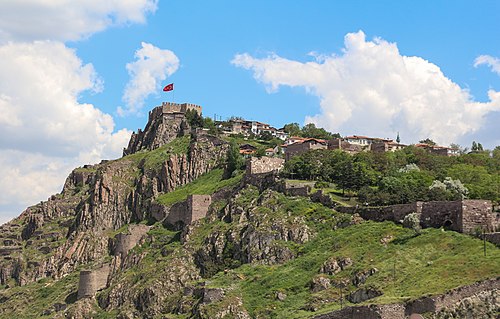 Ankara CastleAnkara, Turkey
 Gate of Athena ArchegetisAthens, Greece
 Mağlova AqueductSultangazi, Turkey
 Walls of ThessalonikiThessaloniki Municipality, Greece
 Walls of ConstantinopleIstanbul Province, Turkey
 Aqueduct of ValensIstanbul, Turkey
Location